Before the digital revolution, creating artistic short films was a different process. Time intensive, laborious and requiring a high level of technical skill combining both physical and chemical processes.
Maybe today it is similarly difficult, just not the same process? Certainly, distribution was harder without all the current digital technology?
Digital tools have their own challenges so that is not a fair comparison. The fact distribution in years gone by was harder is not in doubt.
The hardest part has always been creative expression. Despite no Internet or YouTube or digital anything, many pioneering artists persevered with experimental films to express their visions.
Now, thanks to digital distribution technology, anyone can appreciate almost anything on demand at anytime from the comfort of their own home. No need to wait for a film festival sponsored by the local modern art museum or liberal arts college to appreciate the OG’s of experimental film.
This is The Critic’s opinionated starter playlist for a few true masters of experimental film.
Stan Brakhage : Dog Star Man
Brakhage was the king of abstract. This is his epic. It is a silent film.
Paul Sharits: Razor Blades
Sharits was about structuralism and his shorter films are more watchable than this one. Razor Blades is long and (somewhat) famous and likely to induce a seizure if you watch straight through on a big screen with lots of volume.
Robert Nelson: Oh Dem Watermelons
Steve Reich did the trippy tape cut up music for this film. Good luck not chuckling or having an ear worm after viewing. It has been widely appreciated by anti-racist activists as a vicious and funny spoof on racism. Take it with a sense of humor and outrage as intended.
Bruce Conner: Mongoloid
Conner was a creative storytelling using found footage, newsreels, d-movies, and old government films as his medium. This film is most famous because it was the first single by Devo (Whip It) and may or may not have once been played on MTV (disputed).
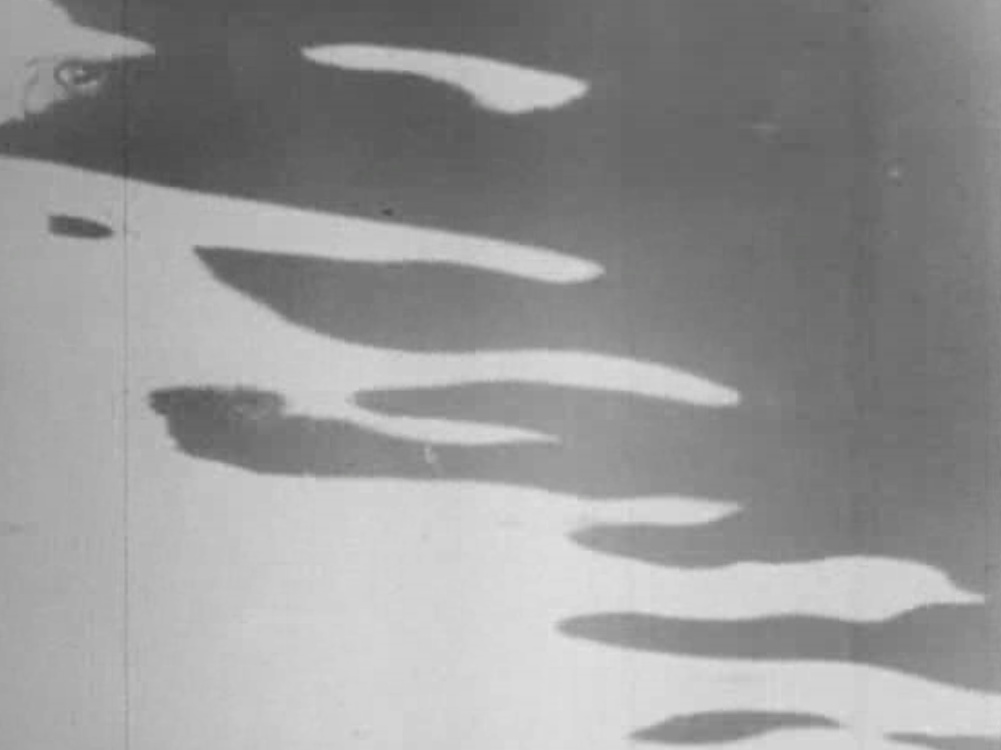
Ralph Stiener: H2O
Stiener did great work all the way back in the 1920s. The Critic suggests playing Handel’s Water Music as you watch or simply enjoy the ambient sounds of your current environment for this silent film.